TRISTE: 48 Horas en la Fiesta de Diddy Cambiaron la Vida de Justin Bieber Así… - STAR

TRISTE: 48 Horas en la Fiesta de Diddy Cambiaron la Vida de Justin Bieber Así…

En un giro inesperado en la industria musical, Justin Bieber ha declarado en el juicio contra Sean “P. Diddy” Combs, revelando inquietantes acusaciones de manipulación y control que, según afirma, sufrió durante los primeros años de su carrera. El testimonio del cantante canadiense ha destapado un lado oscuro de la industria y ha iniciado un diálogo sobre la explotación de los jóvenes talentos y los abusos de poder en el mundo del entretenimiento.

Bieber ha descrito un panorama alarmante de sus inicios en la música, alegando que Diddy ejercía un control significativo sobre su carrera, que iba mucho más allá de una simple mentoría. Según el cantante, Diddy utilizaba su influencia para manipular y coaccionarlo, presionándolo a participar en actividades en contra de su voluntad bajo la excusa de que eso impulsaría su carrera. Bieber confesó que estas experiencias le dejaron una sensación de impotencia, atrapado bajo el control de alguien con un inmenso poder en la industria.

Las declaraciones de Bieber han inspirado a otros artistas a dar un paso al frente con sus propias experiencias de trato similar por parte de Diddy. La polémica se ha convertido en un punto de referencia para el debate sobre la explotación y los desequilibrios de poder en la industria. Tanto colaboradores antiguos como insiders de la industria están revelando patrones de control y manipulación que, según ellos, van más allá del caso de Bieber. Esto ha llevado a que cada vez más personas pidan mayor responsabilidad y cambios sistémicos para proteger a los artistas jóvenes y vulnerables.

Las revelaciones del testimonio de Bieber han sacudido al público y a figuras de la industria, quienes enfrentan las implicaciones de estas acusaciones. Algunos se muestran sorprendidos por la magnitud de las afirmaciones, mientras que otros afirman que siempre sospecharon de estos abusos detrás de escena. Organizaciones defensoras de los derechos de los artistas han aprovechado la ocasión para exigir protecciones más fuertes para los talentos emergentes, argumentando que nadie debería ser sometido a coerción o maltrato en su búsqueda del éxito.

Con todos los ojos puestos en el juicio, el testimonio de Bieber se ha convertido en un momento crucial, dando credibilidad a las acusaciones contra Diddy. Aunque el resultado del caso es incierto, su impacto ya se siente en la industria. Muchos esperan que este juicio sea un llamado de atención para la industria, generando una reflexión profunda y reformas necesarias en un negocio que a menudo opera bajo un velo de glamour y éxito.
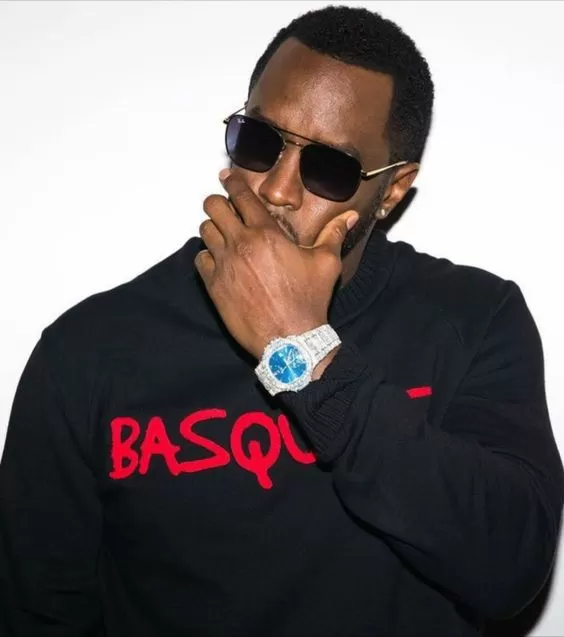
La disposición de Bieber a hablar públicamente, a pesar de los riesgos para su reputación y carrera, ha sido aclamada como un acto de valentía que podría abrir las puertas al cambio. Al exponer las facetas más oscuras de su camino hacia la fama, ha permitido que la conversación sobre los derechos de los artistas, la responsabilidad y los estándares éticos en la música cobre fuerza. Aunque aún está por verse si este caso marcará un cambio en la industria, es claro que ha resaltado la necesidad urgente de una mayor transparencia y equidad en un sector construido sobre talento, sueños y, con demasiada frecuencia, poder sin control.

En las próximas semanas, mientras el juicio continúa, el mundo estará pendiente de su desarrollo y de si se hará justicia para Bieber y otros artistas que han denunciado situaciones similares. El veredicto podría tener consecuencias de gran alcance, remodelando el trato y la protección de los artistas para las futuras generaciones.

l

Related Posts

Ma mère a passé sept ans à prier pour ma sœur décédée. Hier, je l’ai vue vivante à la télévision nationale… accusant un homme de l’avoir kidnappée. Quand ils ont montré la photo du suspect, ma mère s’est évanouie. C’était mon père.

Partie 2 : Mon père venait de franchir la porte lorsque ma sœur a prononcé cette dernière phrase. La communication a été coupée avant que je puisse…

« Le jour de mon mariage, mon père a vu les ecchymoses sur mon visage. « Ma fille… qui t’a fait ça ? » a-t-il demandé d’une voix tremblante. Mon fiancé a simplement ri. « Dans notre famille, c’est comme ça qu’on apprend à obéir. » Un silence pesant s’est abattu sur nous. Puis mon père s’est tourné vers moi et a dit froidement : « Ce mariage est terminé. Et l’empire de ta famille aussi. » »

Mon père a vu l’ecchymose sous mon voile avant de voir ma robe de mariée. Trois secondes plus tard, l’homme que j’étais censée épouser a ri… et…

During breakfast, my sister acted as if my credit card were already hers. When I refused, she threw hot coffee in my face, and my family still tried to make me feel guilty for saying “no.” Six weeks later, when I had already blocked my credit history with fraud alerts, my phone exploded with desperate messages: they had finally discovered what happens when the person who always fixed their disasters stops doing so. “Hand over your credit card, Seb. I need it to get my car today.” Brenda said it at the breakfast table as if she were asking for the salt. Without shame. Without looking down. Without even pretending it was a question. Seb had been home for less than 24 hours in his parents’ house in a quiet neighborhood in Austin, after 14 months working in military logistics in the north of the country. He had requested 10 days off because he wanted to feel like a son again, not a provider. He wanted home-cooked coffee, sweet bread from the market, the sound of his mom moving pots and pans, and the old shade of the lemon tree in the backyard. But the moment he went down for breakfast, he realized that nothing had changed in that house. His mother, Mrs. Lupita, stood by the stove, serious, with that look of concern that always meant the same thing: Brenda had done something, and Seb needed to fix it. His father, Mr. Ernest, read the news on his phone, pretending not to listen. Brenda sat there with freshly painted nails, perfect hair, and the demeanor of someone who already feels like a victim before anyone tells her “no.” Seb set his cup on the table. “Why do you want my credit card?” Brenda rolled her eyes. “The bank rejected my car loan. A bunch of nonsense. According to them, my credit history isn’t good, but it’s because of some old thing. If you lend me your card or co-sign with me, they’ll give it to me today.” “No.” The word fell flat. Brenda blinked, as if Seb had spoken in another language. “What do you mean, ‘no’?” “I am not putting my name on a loan for you. No card, no co-signing, no signature, nothing.” Mrs. Lupita turned off the stove with a bit too much force. “Seb, don’t be like that. She’s your sister.” “Exactly why I’m saying no.” Brenda let out a bitter laugh. “Here comes the ‘responsible little soldier’ speech.” Seb took a deep breath. In his job, every signature mattered. Every invoice had to add up. Every dollar had someone responsible for it. A suspicious debt, a banking investigation, or a hint of fraud could destroy years of effort. But in his family, that had never mattered. In 2019, Brenda had asked him for $8,000 to keep her from being evicted from the apartment she shared with her ex-boyfriend. Seb sent the money without saying a word, because his mother cried over the phone and his father told him: “We all make mistakes.” Then came the department store card where Brenda put his name down as a reference without permission. Then the loan that “was only for 2 months.” Then the family cell phone plan that she stopped paying for almost a year. And every time Seb complained, everyone told him not to exaggerate. “I’ll pay you back,” Brenda said. “I just need you to help me get started.” “That’s what you said every time before.” The silence grew heavy. Mrs. Lupita approached with the skillet in her hand, as if the smell of eggs and chili could soften the mood. “Son, family is meant to support one another.” Seb looked at her with sadness. “No, Mom. Family isn’t meant to use one person’s credit when the other person has already burned theirs.” Mr. Ernest finally lowered his phone. “You don’t have to humiliate her, either. You make good money.” “It’s not about how much I make. It’s about the fact that I’m not paying for anyone else’s consequences anymore.” Brenda got up so fast that her chair scraped across the floor. “You’re a selfish jerk. You think you’re so much better because you wear a uniform.” “I think I’m someone who learned how to say no.” Brenda’s eyes filled with rage, not tears. She picked up her freshly served cup of coffee. Seb barely caught the movement of her wrist. And then, in front of his parents, Brenda flung the boiling cup toward his face.

Partie 1 « Donne-moi ta carte de crédit, Seb. J’en ai besoin pour récupérer ma voiture aujourd’hui. » Brenda l’a dit à table, au petit-déjeuner, comme si…

Pendant le petit-déjeuner, ma sœur s’est comportée comme si ma carte de crédit lui appartenait déjà. Quand j’ai refusé, elle m’a jeté du café brûlant au visage, et ma famille a encore essayé de me culpabiliser d’avoir dit « non ». Six semaines plus tard, alors que j’avais déjà bloqué mon historique de crédit grâce à des alertes de fraude, mon téléphone a explosé de messages désespérés : ils avaient enfin découvert ce qui arrive quand la personne qui réparait toujours leurs problèmes cesse de le faire.

Partie 1 « Donne-moi ta carte de crédit, Seb. J’en ai besoin pour récupérer ma voiture aujourd’hui. » Brenda l’a dit à table, au petit-déjeuner, comme si…

Mon fils de cinq ans m’a demandé la permission de recracher les « petites gouttes » que sa grand-mère mettait dans son jus avant d’aller au lit. Je croyais que ma mère s’occupait de lui pendant que je faisais des doubles quarts de travail, jusqu’à ce que je découvre le flacon caché dans une statuette de la Vierge Marie en plâtre. Le verre s’est brisé dans ma main. Matthew s’est mis à trembler. Et mon mari, qui m’avait répété pendant des mois que j’exagérais, a verrouillé la porte.

J’ai couru jusqu’à ce que mes jambes me brûlent. Matthew s’accrochait à mon cou, brûlant de sueurs froides, le cœur battant la chamade comme celui d’un petit…

J’ai 19 ans. Mon petit ami de 30 ans m’avait juré qu’il avait besoin d’être seul. Deux mois plus tard, je l’ai retrouvé installé dans le ranch de ma grand-mère de 68 ans. Le pire, ce n’était pas de le voir sortir de sa chambre… c’était d’entendre comment elle l’insultait.

« Chérie, écoute-moi… » La voix de ma grand-mère était faible. Mais ce n’était pas une déclaration d’excuses. Elle craignait que je sois arrivé en avance. Dariel…

Leave a Reply

Your email address will not be published. Required fields are marked *